This post contains affiliate links, which means we may receive a commission if you click a link and purchase something that we have recommended at no extra cost to you. Recommended products and services are based on my positive experience with them. Please check out our full affiliate disclosure
This post is about 10 things I wish I knew about money in my 20s.
Quick Navigation
Money was something I would figure out later…
I used to think money was something I would figure out later. Later arrived quite quickly and was expensive. Most of our twenties are spent earning just a little bit more year after year. However, most twenty-something still check their bank account every morning with the same fear. Understanding that the numbers are not the problem but the understanding was. There are many lessons that can shift a person from being fearful about money to being confident with money.
You are probably juggling rent that keeps climbing, student loan payments which can feel like they will never be paid off, and a salary that is decent but still seems like not enough to cover your life, and inflation! Seeing friends post vacations you cannot afford and wondering why you feel behind just amplifies this vicious cycle.
The ten things I wish I had understood about money in my twenties, now looking back a decade or more later. These can pull anyone out of that constant cycle living paycheck to paycheck, or going further into consumer debt. By doing normal things a little earlier and little more consistent, the outlook of your money situation might not seem as dull as right now.
1. Start investing in your twenties
Even if you only have anywhere from $30 to $100 dollars to spare, it is worth starting to invest as it will grow over your 30s and even beyond. Make sure you get educated about investing as it comes at a risk and perhaps you could benefit from talking to a financial adviser before making any mistakes.
2. The fastest way to change your money situation is to increase your earning potential
Have you looked at how to achieve a promotion at your present job? Would you be willing to test the market with your resume to see if a better opportunity is waiting for you? You need to move the income needle faster!
3. When you do receive a pay rise, make sure you are strategic about putting away an amount for savings
Increase in pay, usually comes with lifestyle creep. Beware of unnecessary expenses, and pay yourself first. Dedicate an amount that is reasonable towards your savings – however you wish to invest the money.
4. Start tracking your spending on a regular basis
Check into your bank account app once a day- it might sound excessive at first but you will get used to this habit and see your numbers grow, especially if you track every dollar you are spending.
5. If you are carrying any credit card debt, make sure you pay this debt off as fast as you can
These types of debts usually carry a very high interest rate and you do not want to be stuck in the credit card debt cycle. Credit card debts are usually the ones you need to pay off the earliest as they come with a super high interest.
READ: How to Get Out of Credit Card Debt Fast
6. Do not go down the road that 99% of people go down when they have more disposable income available
The ones that make it far with their money habits, keep their lifestyle as is and do not upgrade their apartment, car or wardrobe. You will feel the difference in savings and or in your investments. Lifestyle creep is a thing and you better beware!
7. Automation: automate your savings and have a specific percentage transferred into an account that you do not touch
Money usually should be spent this way: your needs, your highest debt, then to save and or invest. Treat this like the most important bills have to be paid first (pay yourself first!), and you will feel the difference soon.
8. Start tracking your net worth immediately
Your net worth comprises of your assets – liabilities —> everything your own minus everything you owe. Use a simple spreadsheet or app. Update it once a quarter or sooner. Watching the numbers climb is a high motivator to keep going. I recently bought the spreadsheet from The Line and I have already entered my numbers and have been loving it very much!
9. The best time to start was years ago; the next best things to do is to start today
Even a small amount can lead to something big but you have to break the cycle of spending more than you make and you have to be consistent and dedicated to your financial freedom journey.
10. Money habits you build now will be with you along your financial journey.
These habits will assist you in staying on your path, as your income increases over the years. You will build a nest egg and have financial stability in your later years, when retirement is going to come knocking on your door.
Final Note
If you start early, earn more and keep more, automate savings, track your net worth, and keep the habits on your financial journey that you are building you will be in a good position. None of this necessarily requires a 6-figure salary or perfect discipline at all times – just a few small, repeatable choices are the way to go. The ultimate goal can be financial freedom! Stick around – your future self is already grateful you did!
If you would like to receive updates immediately when I post, please think about subscribing to my newsletter! ❤️
Image credits:
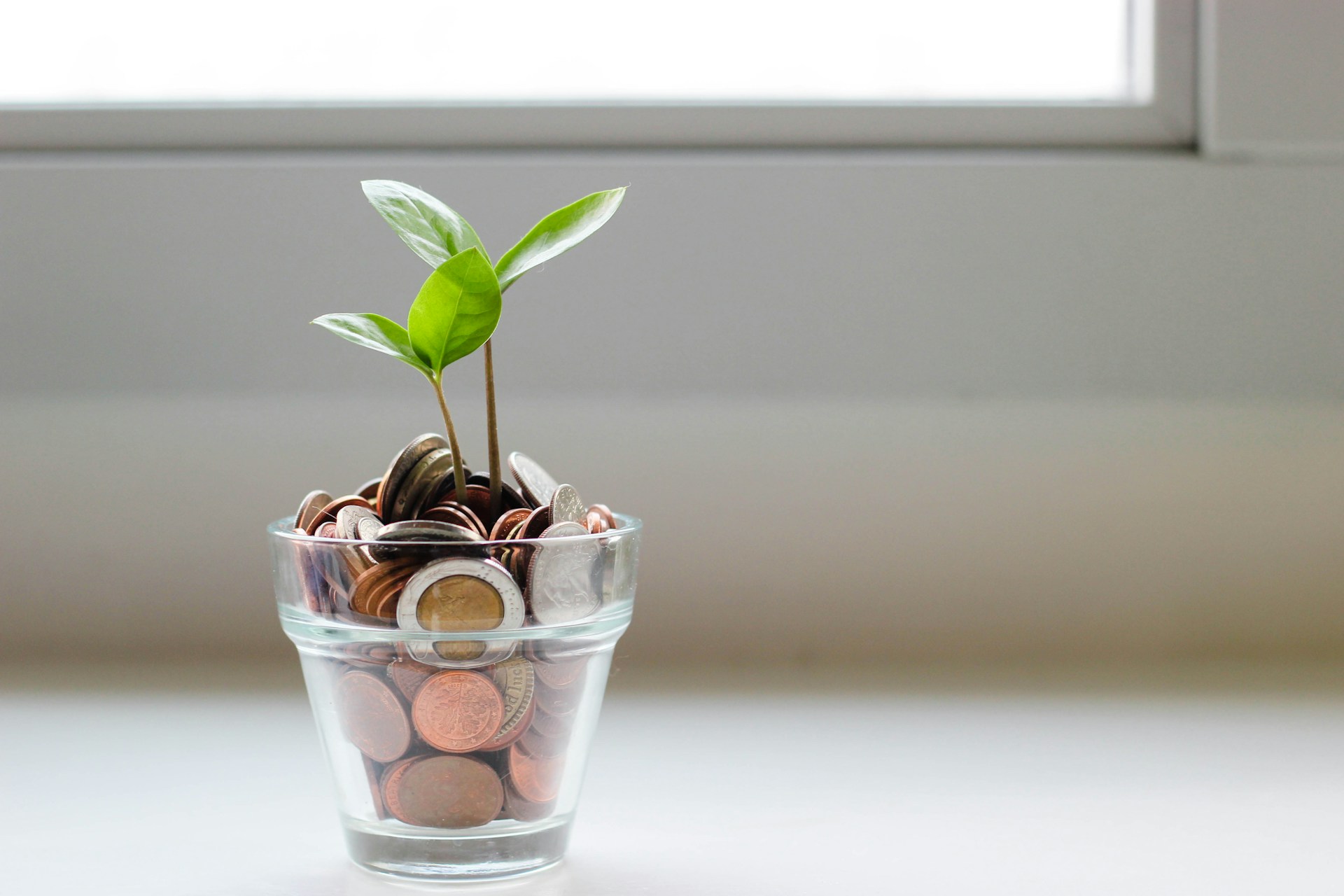
Photo by micheile henderson on Unsplash